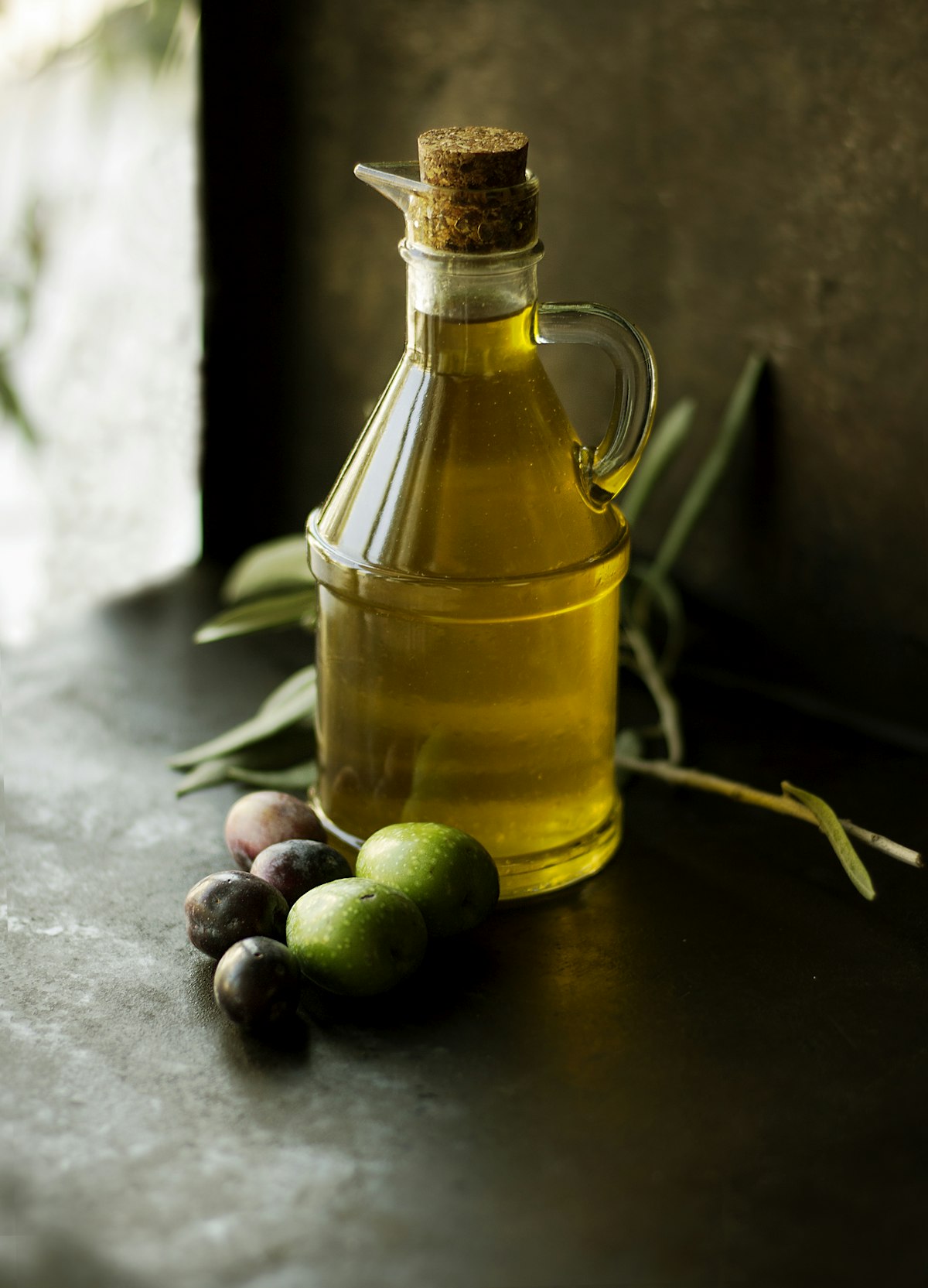
The Mediterranean diet is the only dietary pattern that has been tested in a properly powered, randomized, primary-prevention cardiovascular trial. That trial was PREDIMED, it ran across eleven sites in Spain, and at its center was a bottle of extra virgin olive oil delivered free to participants every week.
What PREDIMED actually showed
PREDIMED enrolled 7,447 adults at high cardiovascular risk and randomized them to one of three diets: a Mediterranean diet supplemented with extra virgin olive oil (about a liter per week, four tablespoons per day), a Mediterranean diet supplemented with mixed nuts, or a low-fat control diet. The trial was stopped early after a median 4.8 years because the two Mediterranean arms had clearly fewer major cardiovascular events — myocardial infarction, stroke, or cardiovascular death — than the control arm. The olive oil arm had a 31 percent relative risk reduction.1
The 2013 publication was retracted and then re-issued in 2018 with corrected analyses after some randomization irregularities at one site. The corrected paper held: extra virgin olive oil within a Mediterranean pattern reduced hard cardiovascular endpoints in a high-risk population. That is a rare and important finding in nutrition science, which usually has to lean on observational data.
A 2020 prospective analysis in nearly 100,000 U.S. adults found a similar direction of effect: people who ate more than half a tablespoon of olive oil per day had a 14 percent lower risk of cardiovascular disease over 24 years compared with people who rarely ate it, with the strongest signal coming from replacing butter, margarine, or mayonnaise.2
Why “extra virgin” matters
Olive oil is unusual among fats because the bioactivity is not just about the fatty acid profile. Virtually any oil pressed from a Mediterranean climate plant will be high in monounsaturated fat. What distinguishes extra virgin olive oil is the phenolic compounds — oleocanthal, oleacein, oleuropein, hydroxytyrosol — that survive cold mechanical pressing but are stripped out by the heat and solvents used to make refined or “light” olive oils.
The European Food Safety Authority has approved a health claim that “olive oil polyphenols contribute to the protection of blood lipids from oxidative stress” at intakes of about 5 mg of hydroxytyrosol and its derivatives per 20 g of olive oil — a threshold that only true extra virgin oils reliably hit.3 Oleocanthal is the compound responsible for the peppery sting at the back of the throat in a high-quality oil; it acts as a non-selective COX inhibitor at concentrations comparable to a low dose of ibuprofen.4
If your olive oil does not make you cough slightly, it is probably refined oil with most of the bioactivity removed.
How to choose a bottle
A few practical heuristics will get you most of the way without becoming a sommelier.
- Buy oil with a harvest date on the label, not just a best-by date. Polyphenols decline within 12 to 18 months of pressing.
- Choose dark glass or tin. Light and oxygen degrade the phenolics.
- Look for a single country of origin, ideally a single region. “Bottled in Italy” is a packaging address, not a provenance claim.
- Expect the oil to taste assertive: grassy, slightly bitter, with a peppery finish. Buttery and bland usually means low polyphenol content.
A reasonable daily target, based on PREDIMED, is one to four tablespoons used as a finishing oil over vegetables, fish, bread, or salads. Cooking with it is fine — extra virgin olive oil has a higher smoke point than people assume, around 405°F, and the polyphenols actually protect the oil during heating — but the strongest evidence is for raw use.
What this is not
Olive oil is not a supplement and not a metabolic shortcut. It does not work in isolation; it worked in PREDIMED in the context of vegetables, legumes, fish, nuts, and moderate wine. Drinking it from a shot glass on top of a fast-food diet will not replicate the trial. The most defensible move is to swap it in wherever butter, margarine, or seed oils currently sit in your kitchen, and to treat it as the default fat for a Mediterranean-style pattern.